Stress-Free Long Distance Moving Services: Your Handbook to a Smooth Transition
Long-distance moving may be daunting, yet it does not have to be overpowering. With the correct strategies and support, individuals can navigate the intricacies of relocating. Key factors include selecting a reliable moving company, efficient packing techniques, and setting up a clear timeline. Comprehending these elements can greatly ease the transition. However, many neglect important aspects that can result in excessive strain and issues. What are the frequent pitfalls to avoid?
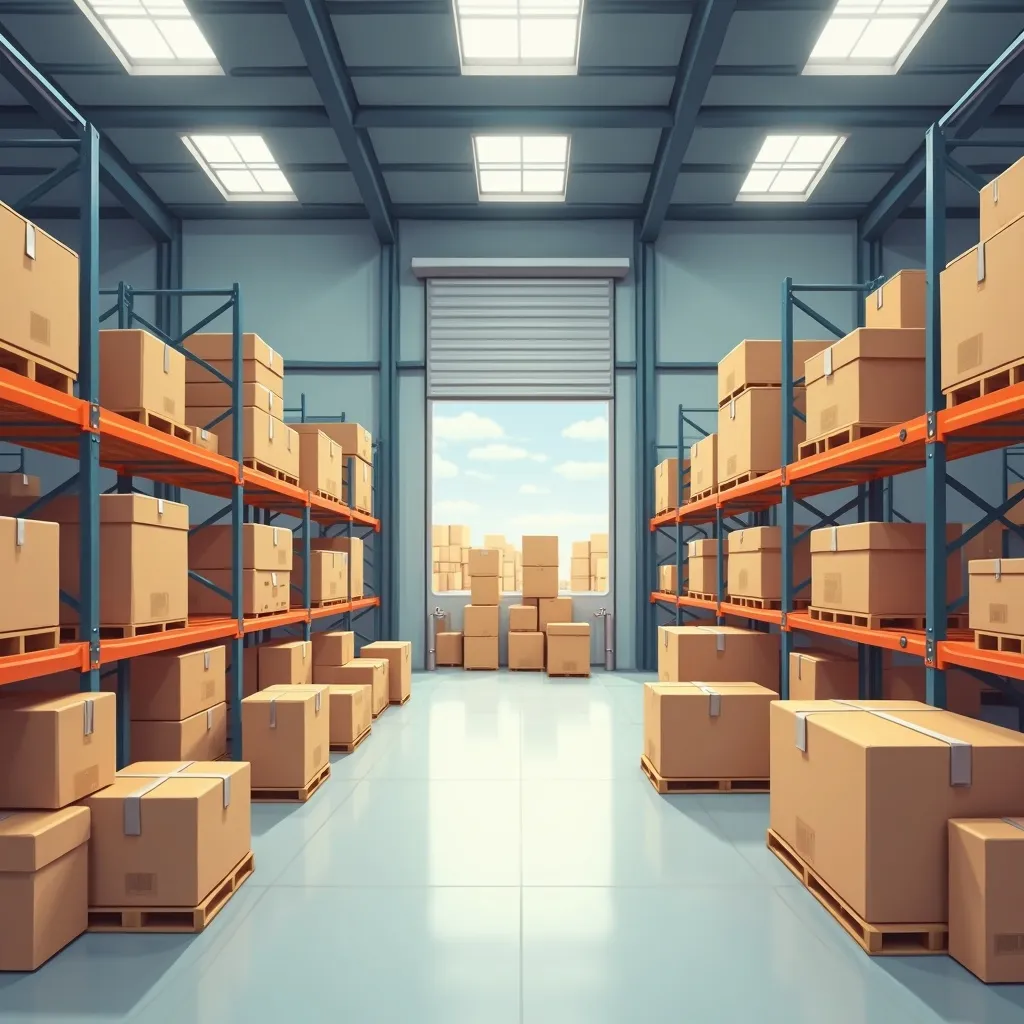
How to Evaluate Cross-Country Relocation Services
When selecting a long-distance moving company, how does one ensure they make the right choice? Evaluating potential movers requires a systematic approach. First, investigating qualifications is vital; companies should be fully licensed with insurance protection. Online reviews and ratings provide insights into past customer experiences, highlighting reliability and service quality.
Next, getting multiple quotes allows for comparing pricing structures and services offered. Clear fee structures are vital; hidden charges can create unpleasant surprises.
Yet another significant consideration is the company's familiarity with long-distance moves, as it often demonstrates their competence in handling logistics and challenges specific with such relocations.
In the end, evaluating customer service responsiveness can provide a glimpse into ongoing support throughout the relocation. By following these steps, individuals can confidently choose a cross-country moving service that matches their requirements, ensuring a smoother shift.
Why You Must Go with Qualified Movers
Engaging qualified movers for cross-country moves presents substantial benefits. Their expertise can streamline the process, limiting both effort and pressure for residents and families. Additionally, reputable moving firms typically include insurance and liability protection, securing peace of mind during the moving process.
Experience In Long-Distance Moves
Hiring expert movers for long-distance relocations can substantially reduce the stress involved with such adjustments. Their expertise in managing logistics guarantees that all aspects of the move are handled efficiently. Experienced movers grasp the challenges of long-distance moves, from packing delicate items securely to navigating unfamiliar routes. They possess the required equipment and know-how to load and transport belongings safely, reducing damage risk. Furthermore, professional movers are well-informed about regulatory requirements, ensuring compliance with state laws and permits. This level of expertise not only improves security but also builds client confidence, enabling them to focus on settling into their new home instead of the move’s complexities. Choosing professional movers ultimately delivers a more streamlined experience.
Time And Stress Alleviation
While moving to a new location can be an exciting adventure, the time and tension involved can quickly become burdensome. Going with skilled moving companies significantly alleviates these concerns. Their expertise allows for effective packing, loading, and transportation, lessening the time spent on logistics. This productivity not only speeds up the moving process but also minimizes the physical strain on individuals. Professional movers expert guide handle the heavy lifting and complex tasks, allowing clients to focus on getting comfortable in their new home. Additionally, the peace of mind that comes with knowing experienced movers are managing the shift can substantially lower stress levels. Ultimately, enlisting expert help transforms a difficult situation into a seamless journey, making it easier to embrace the excitement of a new beginning.
Coverage And Liability Protection
Engaging professional movers not only guarantees a seamless transition but also delivers essential insurance and liability safeguards. This protection is crucial when transporting precious items over extended distances, as it minimizes the danger of damage or loss during transport. Experienced movers typically provide multiple protection plans, such as standard coverage and comprehensive protection, ensuring customers have confidence and assurance. In contrast, self-directed relocations often leave individuals exposed to unexpected problems, without remedy for damaged items. By selecting professional moving companies, clients benefit from their knowledge and the guarantee that their belongings are safeguarded. Ultimately, the spending in professional moving services can reduce significant costs and mental strain related to possible damage, making it a wise choice for long-distance relocations.
Important Packing Suggestions for Your Long-Distance Relocation
Successful packing is fundamental for a long-distance transition, as it ensures that your belongings arrive without damage and undamaged. To commence, individuals must collect quality packing supplies, such as strong boxes, cushioning wrap, and strong tape. Categorizing items by room can make easier the undertaking and decrease the likelihood of losing your goods. It is wise to mark each package plainly, listing both what is inside and the target location, which simplifies moving in.
Fragile objects require special care; wrapping them individually in bubble wrap or packing paper can help avoid breakage. Additionally, filling empty spaces within boxes with packing peanuts or crumpled paper provides extra cushioning. For heavier items, using smaller boxes prevents strain and safeguards safe handling. Finally, packing an essentials box with necessary items for the first few days can make settling in much easier. By following these packing tips, people can enhance the efficiency and safety of their long-distance move.
What to Anticipate During the Moving Process
Efficient preparation sets the basis for what to anticipate during the moving process. A carefully organized moving method can markedly streamline the relocation, reducing stress and uncertainty. Individuals should foresee a comprehensive plan that outlines key milestones, from packing to loading and transportation.
Regular communication with the moving company is crucial; clients should expect regular updates regarding the status of their belongings and any possible postponements. It is also important to be ready for the logistical requirements, such as the requirement for particular licenses or access arrangements at both locations.
Clients may encounter unexpected challenges, from inclement weather to traffic situations impacting arrival times. Recognizing that flexibility is essential can help mitigate anxiety. Ultimately, setting realistic expectations and keeping clear dialogue with the moving team will lead to a smoother, more efficient moving experience.
Moving Forward: Helping Your New Home Feel Like Home
As the moving truck pulls away, people frequently find themselves contemplating how to turn their new space into a welcoming sanctuary. The initial step in this process is organizing essentials to build a functional living area. Prioritizing items such as kitchenware, bedding, and personal effects can significantly boost comfort and familiarity.
Following that, adding personal elements is crucial. Artwork, family photos, and treasured mementos can evoke memories and create a sense of belonging. Positioning furniture to encourage movement and optimize space also enhances the overall ambiance.
Moreover, adjusting the scent of the home with diffusers or candles can create an inviting atmosphere. Engaging with the local community—visiting parks, cafes, or social events—fosters connections that help individuals feel rooted in their new surroundings.
Finally, these stages support a easy transition, morphing a mere house into a true home saturated with warmth and distinctiveness.
Expense Recommendations for a Long-Distance Move
Planning financially for a long-distance transfer necessitates meticulous planning and vision. At the start, individuals should assemble a thorough catalog of their belongings to estimate the size and heaviness of items being transported. This can aid in obtaining accurate quotes from moving companies. It is wise to establish a sensible financial plan that includes not only moving costs but also supplementary fees such as packing supplies, interim housing, and travel costs to the new location.
Next, individuals should consider the schedule of the relocation. Rates may vary greatly based on the time of year or weekday. Booking well in advance can often result in better pricing. Additionally, it is advantageous to examine and evaluate several relocation services to discover the greatest savings. Finally, setting aside a emergency reserve for unforeseen costs will offer a monetary cushion, ensuring a easier transition throughout this significant transition.
Top 5 Challenges to Stay Away From During Your Move
Managing the complexities of a faraway move can be nerve-wracking, and preventing typical mistakes is essential for a smooth relocation. One key mistake involves underestimating the duration necessary for preparing and packing. Rushing through this task frequently results to neglected belongings or poorly packed boxes. Another common pitfall is skipping research on moving companies completely, potentially resulting in hidden fees or unsatisfactory service.
Also, neglecting to form an inventory can cause lost or damaged property. Bypassing protection for high-value items is still another vital mistake, rendering movers vulnerable to probable financial loss. Finally, weak communication with the moving team can generate confusion about logistics and expectations. By circumventing these five mistakes, individuals can foster a more effective and less arduous distant relocation.
Frequently Requested Questions
How far in advance should I reserve My relocation service?
Professionals advise booking a relocation company at least four to six weeks prior to your move. This period provides better availability, likely financial benefits, and adequate organization, in turn guaranteeing a more streamlined relocation experience for the individual.
Which Belongings Are Prohibited When Undertaking Long-Distance Moves?
Items that are banned during extended relocations commonly include dangerous goods, perishable foods, botanical items, and high-value possessions such as cash or precious accessories. Relocation specialists commonly supply a detailed list to ensure adherence to legal requirements and protective measures.
Do movers supply moving materials, or should I purchase my own?
Moving companies usually provide packing supplies as part of their services, but it's advisable to confirm beforehand. Some people prefer to purchase their own materials for increased oversight over quality and quantity during the relocation.
Can I track My Items During the Move?
Moving companies commonly provide tracking services for belongings during a transfer. Customers can usually track their shipment's status via an digital interface or by contacting the company, ensuring reassurance throughout the changeover.
What Happens if My Possessions Get Harmed During Transit?
If belongings are deteriorated during transit, the moving company typically assesses the claim. Depending on the insurance coverage, indemnification may be delivered. Meticulous documentation and prompt reporting enhance the prospects of a advantageous resolution.